Don’t look back in anger - what exposure does a business still have after they stop selling a tangible product?

In this blog we aim to provide a very basic Legal context and then highlight some of the common oversights (and suggest insurance solutions) when businesses are faced with a run-off exposure.
Even after a product is i) discontinued or ii) no longer sold in specific Countries (such as the USA), the Seller’s legal liability doesn’t disappear.
Claims can arise years later due to:
Injuries or Damage caused by the product
Defects discovered long after the product ceased to be sold
Long-latency issues, such as health effects that take years to appear
This lingering risk is called “run-off” exposure because it “runs off” over time rather than stopping immediately.
Simple example:
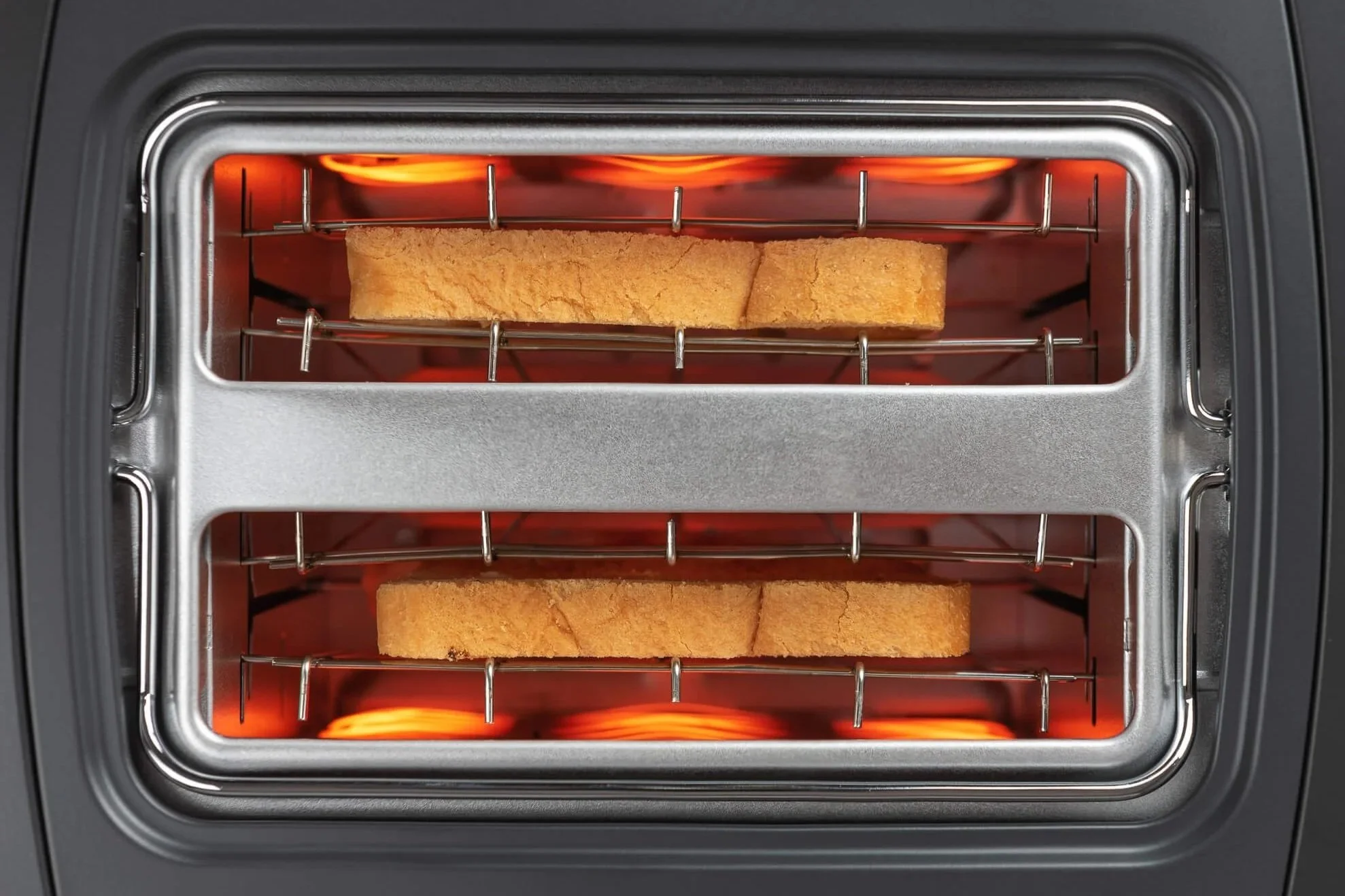
A company manufactured & sold toasters from 2000 to 2024. In 2026 a toaster with a previously undetected manufacturing defect causes a small fire. Even though the company no longer makes the product, they receive a claim for the fire damage.
This potential liability, after sales ceased in 2024, is their run-off exposure.
Does it matter?
Product Liability is not a Compulsory Class of Insurance in the UK, so it might not matter to a manufacturing business that assessed their run-off exposure to be something that they can manage - especially if their discontinued product is benign and/or has a very short shelf life (such as fresh fruit), so is unlikely to have long-latency issues and won’t be in existence for very long.
However, run-off exposures can be significant because Statutes of Limitation may allow for claims years after a Third Party suffered injury/damage and some risks (like medicinal products and medical devices) have Long-Tail liability.
1. Statutes of Limitation
Timescales differ per Country/Jurisdiction, but in the UK the maximum timescales a Third Party usually has to lodge a claim are:
3 years from the Date of Injury, or Date of Knowledge (when they reasonably should have become aware of the injury and its cause); or
6 years from the Date of Damage, or Date of Knowledge of the Damage
2. Long-Tail Liability
For some products the Injury or Damage could have occurred years before the Claimant has Knowledge of the problem (think adverse health symptoms caused by a medicine that takes time to manifest, or damage to a property that becomes apparent years after the defective plinth was installed).
In these scenarios the clock starts from the “Date of Knowledge”, which further elongates the run-off exposure.
Long-Stop
Businesses that sell/supply products aren’t on the hook forever, thanks to the “Long-Stop” time frame; which is the final date that a Product Liability claim can be brought, even if the injury/damage appears late.
The clock on the “final date” starts when a specific product is first put into circulation by the producer. In the UK it is 10 years, but the Long-Stop varies from Country to Country and a business should determine their exposure in the Countries where the products are sold, not just the Country where the business is based.
In practical terms for the toaster manufacturer; if the last toaster they ever put into circulation in 2024 contained the defect, they are still exposed to Product Liability fire claims in the UK as late as 2034 & potentially as late as 2049 if they supplied the toaster to the EU.

That was the very basic Legal introduction, but the purpose of this blog is to highlight some of the common oversights & suggest solutions when businesses seek run-off insurance protection.
Information disclosed to an Underwriter
If a business is seeking Product Liability protection for discontinued products or territories, then these products must be disclosed to the Underwriter.
Example 1 - Discontinued Products
Between 2022 - 2026 a Business has been selling golf equipment and they purchased a Product Liability policy with a Business Description of “Wholesale of golf equipment” with the same Insurer since 2023.
In early-2026 the Business received a Product Liability claim from a Third Party who suffered a significant house fire in 2024, caused by a battery fire in a remote-controlled boat that the Business sold in 2018.
The Proposal Form to the Insurer made no mention of past remote-controlled boat sales and the Policy “on risk” provided no cover because such products are not included within the Business Description.
For Product Liability cover to be in force for the remote-controlled boat, the Proposal Form needed to list all products sold/supplied by the Business during the Long-Stop period and these products to be noted within the Policy Business Description.
Example 2 - Discontinued Territories
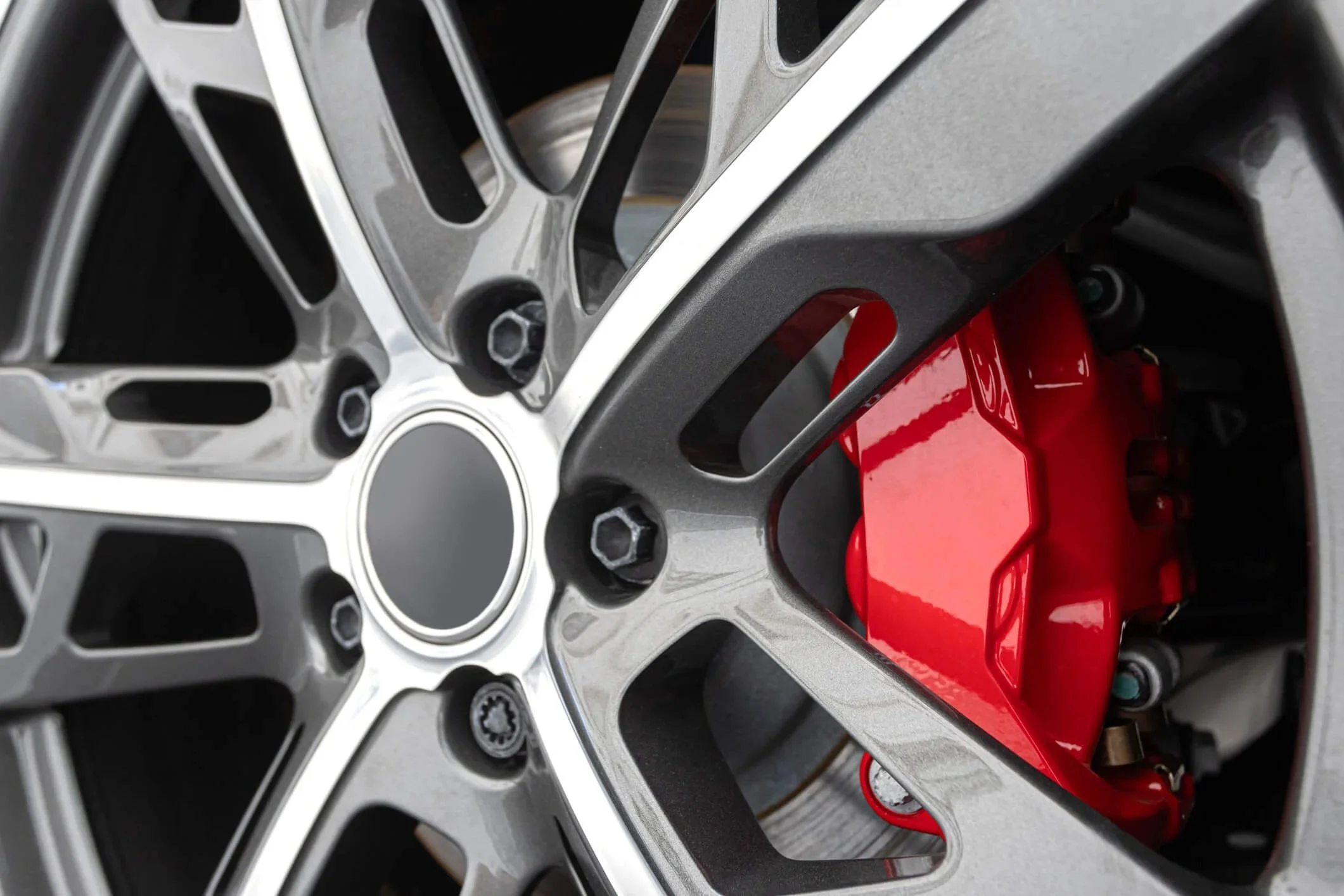
Since 1990a Business has been manufacturing/selling vehicle brake components and they purchased Product Liability policies with a Business Description of “Manufacture and sale of vehicle braking components” with various Insurers since 1990.
From 2015 to 2022 the Business sold their products to the USA, before excessive costs forced them to cease.
In 2023 the Product Liability policy was placed with a new Insurer. The Proposal Form to the Insurer confirmed a USA/Canada Turnover estimate of £Nil for the next 12 months and the new Insurer issued a Product Liability policy that excluded cover for USA/Canada.
In early-2026the Business received a Product Liability claim from a Third Party who suffered a car crash in 2024, caused by a braking product that the business sold in 2018.
The Policy “on risk” since 2023 provided no cover because of the USA/Canada Product Liability exclusion.
For Product Liability cover to be in force for the USA Claim, the Proposal Form needed to list all the Countries that the Business was aware that their products were being sold/supplied to during the Long-Stop period, with these Covered Territories noted within the Policy.

Trigger
Irrespective of the 2 common Product Liability Policy Triggers, there is the potential for Uninsured run-off exposures if any past sales are not disclosed and included within the Policy.
“Incidents Occurring During the Period of Insurance”
This Policy responds when Third Party Injury or Damage occurred during the period of insurance. Referring back to the previous examples, the house fire and the USA car crash occurred in 2024 so, if cover was provided on an Occurrence Trigger, the claims go to the Insurers on risk in 2024.
When an “Incidents Occurring During the Period of Insurance” Policy expires it will still cover future claim notifications that related to losses that occurred in the covered period of insurance, right up until the Long-Stop date.
However there is no cover in force for claims that Occurred after cover expired (irrespective of when the Product was sold/supplied). This is something to consider for a Policyholder that;
a) has ceased selling their products but still has the run-off exposure to Third Party Property Damage or Injury claims until the Long-Stop date;
b) has previously sold/supplied different products (such as remote-controlled boats) to those that they sell now (such as golf equipment); or
c) has previously sold/supplied the same products to different territories, which aren’t include in the Covered Territories by the current Policy
“Claims Made”
This Policy responds where a Claim is first made against the Policyholder during the Period of Insurance.
Referring back to the previous examples, the Policyholders received claims for the house fire and the USA car crash in early-2026, so, if cover was provided on a Claims Made Trigger, the claims go to the Insurers on risk in early-2026.
As soon as a Claims Made Policy expires there is no cover in force for any new claims made against the Policyholder, irrespective of when the loss occurred or the products were sold/supplied.
The Policy must be renewed for any cover to continue, even if the Policyholder has ceased selling products and only has a run-off exposure. This is because, as the examples demonstrate, it is perfectly possible to receive a new claim right up until the Long-Stop date.
Incidentally, some Product Liability Insurers routinely bind risks on a Claims Made Trigger, which allows them to collect a few years’ worth of premium and then non-renew the Policy before any claims come through.
Occurrence Triggers offer many more advantages & security to Policyholders and this is the Trigger favoured by M & M Underwriting.

How to avoid uninsured scenarios, irrespective of Policy Trigger
Ensure that the Product Liability Policy “Business Description” reflects all the products sold/supplied by the business within the relevant Long-Stop period(s);
Ensure that the Product Liability Policy “Cover and Jurisdiction” reflects all the Territories that the business has sold/supplied to within the Long-Stop period;
Consider “Run-Off” cover in respect of products sold/supplied by a business in the past if there is no other Product Liability cover in place.
Speak to M & M Underwriting today
If you have a risk with a Run-Off Product Liability exposure, M & M Underwriting is ready to help. For enquiries, quotations or guidance, speak directly with Gary at M & M Underwriting using the details below:
T: 020 8687 4137
M: 07977 694105
E: gary@mmunderwriting.co.uk
Get in touch today for a responsive, expert-led underwriting service that puts understanding first.
We are Fair Tax Mark accredited, a supporter of the Insurance Museum, a sponsor of the Niche Vehicle Network, and a member of the MGAA.